
Have you ever wondered Why Are Wisdom Teeth Called Wisdom Teeth and what makes them so special compared to other teeth? Many people hear this name from dentists or family members, but they do not fully understand its meaning. This topic is interesting because it connects human biology, history, and culture in a simple way.
Understanding this concept helps you learn how your body changes as you grow older. It also helps you understand why dentists pay special attention to these teeth. When you know more about them, you can take better care of your oral health and avoid common problems.
What Are Wisdom Teeth?
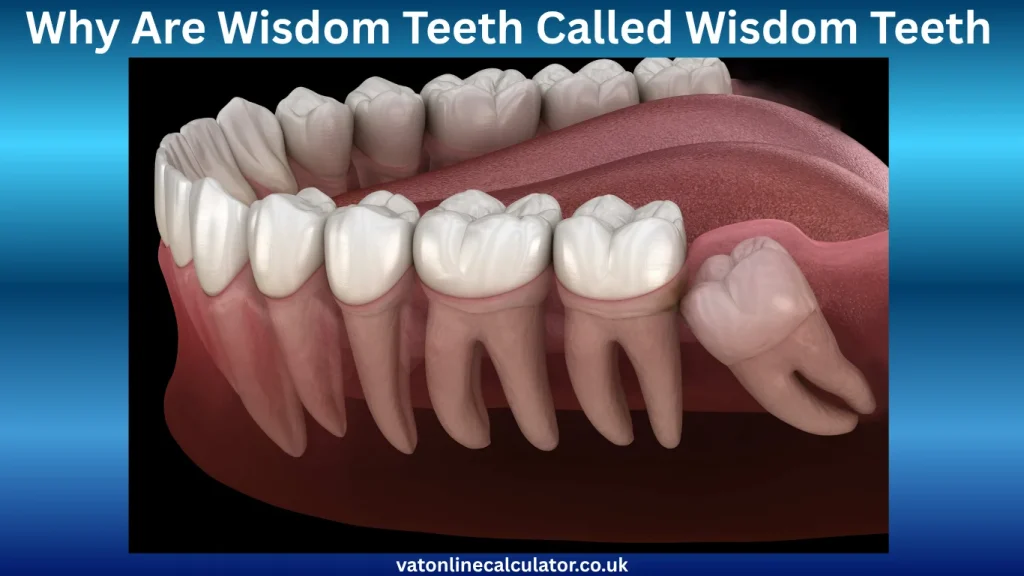
Wisdom teeth are the last set of molars that grow at the very back of your mouth. Most people have four of them, with two on the top and two on the bottom. However, some people may have fewer, and some may not develop them at all.
These teeth usually appear between the ages of 17 and 25, which is much later than other teeth. Because they come in during early adulthood, they are different from the teeth that grow during childhood. Dentists call them third molars because they are the third and final set of molars to develop in the human mouth.
| Feature | Details |
| Type | Third molars |
| Number | Usually four |
| Age of eruption | 17–25 years |
| Location | Back of the mouth |
Their late arrival is the main reason they are linked with maturity and growth.
Why Are Wisdom Teeth Called Wisdom Teeth?
The main reason Why Are Wisdom Teeth Called Wisdom Teeth is related to age and maturity. These teeth appear when a person is no longer a child and is entering adulthood. During this stage, people are believed to become more responsible and wiser.
In many cultures, growing older is connected with gaining knowledge and life experience. Since these teeth come in at that stage, people started associating them with wisdom. The name reflects this belief, even though the teeth themselves do not actually make a person wiser.
This simple idea has been passed down through generations and is still used today. That is why the name remains popular in modern language and dentistry.
Historical Origin of the Name
The name has deep roots in ancient languages and traditions. The Latin term for wisdom teeth is dentes sapientiae, which means teeth of wisdom. This term was used by early doctors and scholars to describe these late-growing teeth.
Ancient Greek thinkers also noticed that these teeth appeared later in life. They described them as teeth of maturity, linking them to the stage when a person becomes more thoughtful and experienced. Over time, this idea spread across different cultures and languages.
| Language | Term Used | Meaning |
| Latin | Dentes sapientiae | Teeth of wisdom |
| Greek | Sophronisteres | Teeth of maturity |
| English | Wisdom teeth | Teeth linked to wisdom |
This history shows that the name is not random but based on observations made thousands of years ago.
Why Do Wisdom Teeth Come Late?
Wisdom teeth develop later because of the natural growth pattern of the human body. The jaw continues to grow and change during teenage years, which delays the eruption of these teeth.
By the time they are ready to come out, most of the space in the mouth is already filled. This is why they often struggle to grow properly and may become impacted. The delay in their growth is directly connected to their name and meaning.
Scientists believe that this late development was useful for early humans. They needed strong teeth to chew hard and raw foods, so having extra molars later in life was helpful.
The Evolutionary Perspective
The question Why Are Wisdom Teeth Called Wisdom Teeth also connects to human evolution. Early humans had larger jaws and needed more teeth to process tough food like raw plants and meat.
These extra molars helped them chew food more efficiently and survive in harsh environments. As humans evolved, they began cooking food, which made it softer and easier to chew. This reduced the need for extra molars.
| Time Period | Jaw Size | Diet Type | Need for Wisdom Teeth |
| Ancient | Large | Tough food | High |
| Modern | Smaller | Soft food | Low |
Because our jaws became smaller over time, there is often not enough space for wisdom teeth today. This is why many people face problems with them.
Common Problems with Wisdom Teeth
Wisdom teeth often cause problems because they do not have enough room to grow properly. One of the most common issues is impaction, where the tooth gets stuck under the gum or grows at an angle.
This can lead to pain, swelling, and infection, which can affect daily life. In some cases, wisdom teeth can damage nearby teeth or cause crowding in the mouth. Dentists closely monitor these teeth to prevent serious complications.
Some common problems include pain in the jaw, swollen gums, and difficulty chewing. If left untreated, these issues can become more serious and require medical attention.
Do All People Get Wisdom Teeth?
Not everyone develops wisdom teeth, and this is completely normal. Some people are born without them due to genetic differences. Others may develop only one, two, or three instead of four.
Modern research shows that fewer people are developing wisdom teeth over time. This change is likely due to evolution and changes in human diet and lifestyle. Even without these teeth, people can chew food normally and maintain good oral health.
Why Dentists Remove Wisdom Teeth
Dentists often recommend removing wisdom teeth to prevent future problems. This decision depends on how the teeth are growing and whether they are causing pain or other issues.
If the teeth grow properly and have enough space, removal may not be necessary. However, in many cases, there is not enough room in the mouth. Early removal can prevent infection, pain, and damage to nearby teeth, which is why dentists often suggest it. Regular dental checkups help monitor the growth of these teeth and determine the best course of action.
Signs Your Wisdom Teeth Are Coming In
There are several signs that indicate your wisdom teeth are starting to grow. These signs usually appear during late teenage years or early adulthood.
You may feel pain or pressure in the back of your jaw. Some people also experience swelling of the gums or difficulty opening their mouth fully. In some cases, headaches or discomfort while chewing may occur.
Recognizing these signs early can help you seek dental care before the problem becomes serious. Early treatment can prevent complications and reduce discomfort.
Cultural Beliefs About Wisdom Teeth
Different cultures have unique beliefs about wisdom teeth and their meaning. In some cultures, they are seen as a sign of adulthood and responsibility. They mark the transition from youth to maturity.
Other cultures believe that these teeth bring good luck or represent personal growth. These beliefs add cultural importance to the name and make it more meaningful. The idea of wisdom remains a common theme in many traditions.
Key Facts About Wisdom Teeth
| Topic | Explanation |
| Name Origin | Linked to maturity and wisdom |
| Age of Appearance | Late teens to early twenties |
| Function | Extra molars for chewing |
| Modern Relevance | Often unnecessary |
| Common Treatment | Removal if problematic |
Modern Scientific View
Modern dentistry explains Why Are Wisdom Teeth Called Wisdom Teeth using both history and biology. The name reflects the age at which they appear, not their actual function.
Scientists agree that these teeth are no longer essential for survival. However, they still develop because they are part of our genetic makeup. Research continues to explore why some people do not develop them at all.
How to Care for Wisdom Teeth
Taking care of wisdom teeth is important for maintaining good oral health. Proper hygiene can reduce the risk of infection and tooth decay. You should brush and floss carefully, especially at the back of your mouth.
Regular dental visits help detect problems early and allow for timely treatment. Good oral care can prevent many issues related to wisdom teeth and improve overall dental health.
Frequently Asked Questions
What is the main reason behind the name?
The main reason behind Why Are Wisdom Teeth Called Wisdom Teeth is their late appearance during adulthood. This stage of life is often linked with gaining wisdom and maturity.
Do wisdom teeth serve any purpose today?
They were useful for early humans who needed extra teeth to chew tough food. Today, they have little or no function due to changes in diet and lifestyle.
Is it necessary to remove wisdom teeth?
Not always, as removal depends on whether they cause problems. Dentists recommend removal only if they lead to pain, infection, or crowding.
Can wisdom teeth grow without pain?
Yes, some people experience no pain at all during their growth. This depends on how the teeth develop and the available space in the jaw.
At what age do they usually appear?
They usually appear between 17 and 25 years of age. This timing is why they are associated with maturity and wisdom.
Conclusion
Understanding Why Are Wisdom Teeth Called Wisdom Teeth helps you learn more about human growth, history, and evolution. These teeth are named after the stage of life in which they appear, not because they provide wisdom.
Their late arrival connects them to maturity and adulthood, which explains their name. While they were useful in the past, they are less important today due to changes in diet and jaw size. Even though they may cause problems, proper care and dental advice can help manage them effectively.
Learning about them gives you a better understanding of your body and helps you make informed decisions about your oral health.
Also, Read Car Insurance OKC: Costs, Coverage & Tips