
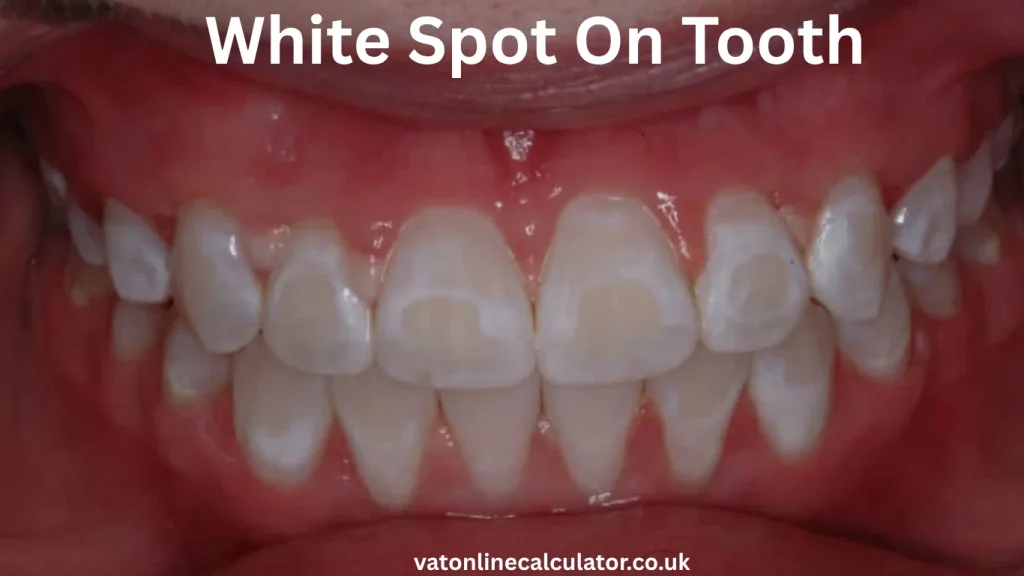
A white spot on tooth is a visible change in the enamel that looks like a chalky or milky patch. It appears when the outer layer of the tooth loses important minerals. This makes the surface weaker and less shiny than normal enamel. It can appear on one tooth or spread across several teeth depending on the cause.
Many people ignore it because it does not hurt in the beginning. However, it is often the first sign that something is wrong with tooth health. If treated early, the damage can be reversed and the tooth can return to a healthy state.
Why Do White Spots Appear on Teeth?
There are different reasons why these spots form on teeth. Each reason affects enamel health and changes the way teeth look and feel. Understanding these causes helps in choosing the right treatment and prevention method.
| Cause | Description | Risk Level |
| Early Tooth Decay | Mineral loss due to plaque acids | High |
| Fluorosis | Excess fluoride during childhood | Low |
| Enamel Hypoplasia | Weak enamel formation | Medium |
| Poor Oral Hygiene | Plaque buildup on teeth | High |
| Diet | Sugary and acidic foods damage enamel | Medium |
These causes may act alone or together. For example, a person with poor brushing habits and a sugary diet has a higher risk of developing enamel problems.
Early Tooth Decay and Demineralization
One of the most common reasons behind a white spot on tooth is early tooth decay. This stage is known as demineralization. It begins when bacteria in the mouth produce acids after you eat sugary foods. These acids slowly remove minerals like calcium from the enamel.
As minerals are lost, the enamel becomes weak and appears white and dull. This stage is important because it can still be reversed. Using fluoride toothpaste and improving oral hygiene can restore minerals and stop further damage. If ignored, it can develop into a cavity that requires fillings or other treatments.
Fluorosis: Too Much Fluoride
Fluorosis is another reason for white patches on teeth. It occurs when children consume too much fluoride while their teeth are still developing. This can happen through drinking water, toothpaste, or supplements.
The condition usually shows as faint white lines or cloudy spots. It does not cause pain or serious damage in most cases. However, it can affect the appearance of teeth. Parents should supervise children while brushing and ensure they use the correct amount of toothpaste.
Enamel Hypoplasia Explained
Enamel hypoplasia is a condition where the enamel does not form properly. It can occur due to illness, poor nutrition, or genetic factors during childhood. This leads to thin or weak enamel that shows white or discolored patches.
Teeth with this condition are more sensitive to hot and cold foods. They are also more likely to develop cavities because the protective layer is not strong enough. Early dental care can help manage the condition and prevent further damage.
White Spots After Braces
White spots are very common after orthodontic treatment with braces. Brackets and wires make it difficult to clean teeth properly. Plaque builds up around these areas and causes mineral loss in the enamel.
After braces are removed, these areas appear as white patches. This is why dentists stress the importance of cleaning teeth carefully during orthodontic treatment. Using special brushes and visiting the dentist regularly can reduce this risk.
How Dentists Diagnose the Problem?
Dentists use different methods to identify the cause of white spots. They first examine the teeth visually and check for color and texture changes. A rough or chalky surface often indicates mineral loss.
In some cases, dentists use X-rays or special lights to look deeper into the tooth. These tools help detect hidden decay or enamel defects. Early diagnosis allows for simple treatment and prevents serious dental problems.
Treatment Options for White Spots
Treatment depends on the severity and cause of the spot. Some treatments aim to restore enamel health, while others focus on improving appearance. A dentist will choose the best option based on the condition of the tooth.
| Treatment Method | Purpose | Best For |
| Fluoride Treatment | Strengthens enamel | Early decay |
| Remineralizing Creams | Restores minerals | Mild cases |
| Microabrasion | Removes surface stains | Cosmetic issues |
| Resin Infiltration | Fills enamel pores | Moderate spots |
| Veneers | Covers severe damage | Advanced cases |
Fluoride treatments are simple and effective for early-stage damage. They help rebuild enamel and protect teeth from further decay. Remineralizing creams also support this process by providing essential minerals.
For cosmetic improvement, dentists may use microabrasion to remove the outer layer of enamel. Resin infiltration is another modern technique that fills porous enamel and improves appearance. In severe cases, veneers can cover the entire tooth surface and restore a natural look.
Natural Ways to Improve Enamel Health
Natural care methods can help strengthen enamel and reduce the appearance of white spots. Drinking water regularly helps wash away acids and bacteria from the mouth. This keeps the environment balanced and protects enamel.
Eating calcium-rich foods like milk, cheese, and yogurt supports enamel repair. These foods provide the minerals needed to rebuild tooth structure. Avoiding sugary and acidic foods is also important because they weaken enamel and increase the risk of damage.
Using fluoride toothpaste twice a day helps restore lost minerals. Maintaining a consistent oral care routine ensures long-term dental health.
Prevention Tips for Healthy Teeth
Preventing enamel damage is easier than treating it later. Simple daily habits can protect teeth and keep them strong. Consistency in oral care plays a major role in preventing white spots.
| Habit | Benefit |
| Regular Brushing | Removes plaque and bacteria |
| Flossing Daily | Cleans between teeth |
| Dental Checkups | Detects early problems |
| Balanced Diet | Provides essential nutrients |
| Limited Sugar Intake | Reduces acid production |
Brushing twice a day with fluoride toothpaste is one of the most effective ways to prevent dental problems. Flossing helps clean areas that a toothbrush cannot reach. Regular dental visits ensure early detection and treatment of any issues.
Diet and Its Role in Tooth Health
Diet plays a major role in maintaining healthy teeth. Foods high in sugar and acid can weaken enamel and lead to white spots. Soft drinks, candies, and processed snacks are the main contributors to enamel damage.
Healthy foods like fruits, vegetables, and dairy products provide essential nutrients. These nutrients help rebuild enamel and maintain strong teeth. Drinking water after meals helps wash away food particles and reduces acid levels in the mouth.
When Should You See a Dentist?
You should visit a dentist if you notice any changes in your teeth. A growing spot, color change, or sensitivity may indicate a problem. Early treatment prevents serious dental issues and protects your teeth.
Ignoring the problem can lead to cavities or permanent damage. Professional care ensures proper diagnosis and treatment. Regular checkups are important for maintaining oral health.
Psychological Impact of White Spots
White spots on teeth can affect a person’s confidence and self-esteem. People may feel uncomfortable smiling or speaking in public. This is especially true when the spots are visible on front teeth.
Cosmetic treatments can improve the appearance of teeth and restore confidence. A healthy and bright smile plays an important role in social interactions and overall well-being.
Frequently Asked Questions
What causes white spots on teeth?
White spots are usually caused by mineral loss, excess fluoride, or weak enamel development.
Are white spots permanent?
Some spots can be treated and reduced, especially in early stages. Severe cases may need cosmetic treatment.
Can brushing remove white spots?
Brushing helps prevent new spots but may not fully remove existing ones.
Is it a sign of cavities?
Yes, early tooth decay often appears as white patches on enamel.
How can I prevent them?
Maintain good oral hygiene, eat a healthy diet, and visit your dentist regularly.
Conclusion
A white spot on tooth is often an early warning sign of enamel damage. It may not cause pain at first, but it should not be ignored. Understanding the causes helps in choosing the right treatment and prevention methods.
Healthy habits like brushing, flossing, and eating a balanced diet can protect your teeth. Early treatment can reverse damage and prevent serious dental problems. Modern dental solutions offer effective ways to restore both health and appearance. Taking care of your teeth today ensures a confident and healthy smile in the future.