
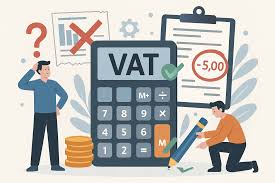
Running a business in the United Kingdom requires careful attention to financial matters, and calculating VAT is one of the most critical aspects of accounting. Incorrect application of rates, errors when including or excluding VAT in prices, and improper registration can lead to fines, overpayments, and issues with tax authorities. Even small mistakes in calculations can affect a company’s financial position, so it is important to understand common risks and how to prevent them.
VAT is a mandatory tax for most businesses with turnover above a certain threshold. Rules can vary depending on the type of goods or services, applicable rates, and reporting periods. For many entrepreneurs, especially beginners, following these requirements precisely can be challenging. Mistakes can be both accidental and systemic, and their consequences are felt not only financially but also in the company’s reputation.
Common VAT Calculation Errors
One of the most common problems is using the wrong tax rate. In the UK, standard, reduced, and zero rates apply, and choosing the incorrect rate for a sale automatically leads to financial losses. Another frequent error is incorrectly adding or subtracting VAT from prices. For example, some business owners list prices including VAT but miscalculate the final amount for clients or tax returns.
Another common mistake involves late or missing VAT registration. Entrepreneurs whose turnover exceeds the registration threshold are required to register with HMRC and account for VAT in their financial records. Ignoring this requirement results in fines and the need to amend previous filings, which consumes additional time and resources.
Accuracy and Convenience in Financial Calculations
The BassWin platform is dedicated to providing precise and accurate VAT calculations for all users, helping to prevent errors and overpayments. With an intuitive interface and a user-friendly management system, the platform makes the calculation process quick and transparent, allowing users to focus on their activities without unnecessary difficulties. BassWin combines reliability and simplicity, creating a secure environment for financial operations and tax control.
Documentation and Reporting Errors
Accounting mistakes and inaccurate records are another source of financial loss. These include:
- incorrect VAT information on invoices;
- missing required details in documentation;
- late submission of VAT returns;
- errors when transferring data from internal systems to tax reports.
Such oversights can trigger fines and inspections from tax authorities. Companies often spend significant resources correcting mistakes and preparing additional documentation.
Impact of Incorrect VAT Calculations on Business
Errors in VAT calculations directly affect a company’s financial stability. Overcharging or undercharging VAT reduces working capital or leads to penalties and interest on late payments. For small and medium-sized businesses, even minor amounts can create cash flow issues and complicate budget planning.
Beyond finances, VAT errors can impact a company’s reputation. Partners and clients may lose trust if they encounter incorrect invoices or calculation problems. Frequent inspections by tax authorities also demand employee time and attention, diverting resources from core business activities.
How to Avoid Errors and Optimize VAT Calculation
Several proven strategies help minimize risks when calculating VAT:
- Use reliable online VAT calculators that automatically compute tax based on the correct rate;
- Maintain accurate records of sales and expenses, categorizing goods and services by applicable rates;
- Regularly check current VAT rates and changes in legislation;
- Prepare and review VAT returns on time, ensuring all data is correct;
- Engage qualified accountants or consultants when necessary to review calculations and documentation.
Implementing these measures reduces the likelihood of financial losses and makes the VAT calculation process transparent and safe for the business.
Key Recommendations
VAT calculation mistakes are a common challenge for both new and experienced businesses. To avoid fines, overpayments, and issues with tax authorities, it is essential to establish a clear and controlled VAT process, use modern tools, and stay compliant with current legislation.
A systematic approach to VAT accounting, timely employee training, and the use of trusted online calculators can significantly reduce risks, improve financial stability, and protect a company’s reputation. Correct VAT calculation is not only a financial necessity but also a guarantee of stability and trust from clients and partners.