
The question “Who Are God’s Chosen People” has shaped religion, history, and identity for centuries. People from different cultures and beliefs continue to search for its meaning. It helps them understand faith, purpose, and their place in the world. This idea appears in major religions and carries deep spiritual importance.
In simple words, it refers to a group chosen by God for a special relationship. However, the meaning changes based on religious teachings and interpretations. This article explains the concept in detail using history, religion, and modern views.
What Does “Chosen People” Mean?
The phrase “Who Are God’s Chosen People” comes from ancient religious writings and traditions. It describes people selected by God for a special mission in life. This mission often includes following divine laws and guiding others. The idea does not always mean being better than others. Instead, it focuses on responsibility, duty, and strong moral behavior.
Many scholars explain that it is about purpose rather than privilege. It teaches people to live according to higher values and principles. This understanding makes the concept meaningful even in today’s world.
Origin of the Concept
The concept began in ancient times within early religious communities and traditions. It first appeared in texts related to the Israelites and their history. These texts describe a covenant between God and a specific group of people. A covenant means a promise or sacred agreement between two sides.
In this case, God promised protection, guidance, and blessings. In return, the people agreed to follow divine laws and teachings. This agreement played an important role in shaping early religious identity. It also helped people understand the importance of obedience and faith. Over time, this idea spread and influenced other religions and cultures.
The Jewish Perspective
In Judaism, the answer to “Who Are God’s Chosen People” is clear and deeply rooted in tradition. It refers to the Jewish people, who are descendants of the ancient Israelites. This belief comes from the Torah and other sacred Jewish texts. Jewish teachings explain that being chosen means serving God faithfully.
It involves following ethical laws and maintaining strong moral values in everyday life. The focus is always on responsibility rather than power or superiority. Jewish scholars often highlight that chosen does not mean better than others. Instead, it means having a special duty to promote justice and righteousness. This idea has remained central in Jewish identity for thousands of years.
Key Beliefs in Judaism
| Aspect | Explanation |
| Covenant | A sacred agreement between God and Israelites |
| Responsibility | Following laws and guiding others |
| Identity | Based on heritage and faith |
| Purpose | Living a moral and spiritual life |
The Christian Perspective
Christianity expands the meaning of “Who Are God’s Chosen People” in a more inclusive way. It teaches that all believers can become part of God’s people through faith. Faith plays a central role in this belief system and understanding. Christians believe that through faith, anyone can join this spiritual family.
This idea removes the focus from ancestry and birth. It replaces it with belief and a personal relationship with God. The message emphasizes inclusion and acceptance for all people. It teaches that God’s love is open to everyone who believes. This interpretation has helped spread Christianity across the world.
The Islamic Perspective
Islam offers a balanced and universal view of “Who Are God’s Chosen People”. It acknowledges that certain groups were favored in the past by God. However, it does not limit this status to one group forever.
Islam teaches that the most honored people are those who are righteous and faithful. Good actions and sincere belief matter more than lineage or background. This makes the concept fair and open to all humanity. It encourages people to focus on their actions and character. This perspective promotes equality and justice among all people.
Comparison Across Religions
| Religion | Who Are Considered Chosen | Basis |
| Judaism | Israelites | Covenant and heritage |
| Christianity | Believers | Faith |
| Islam | The righteous | Actions and faith |
Spiritual Meaning Behind the Idea
The deeper meaning of “Who Are God’s Chosen People” goes beyond identity or group belonging. It highlights important values like faith, obedience, and purpose in life. It teaches people to live responsibly and follow moral guidance. Many scholars explain that it is about serving humanity with honesty.
It encourages kindness, justice, and compassion in daily actions. These values are central in all major religions around the world. The concept reminds people to stay connected with their spiritual purpose. It also encourages them to improve their behavior and relationships.
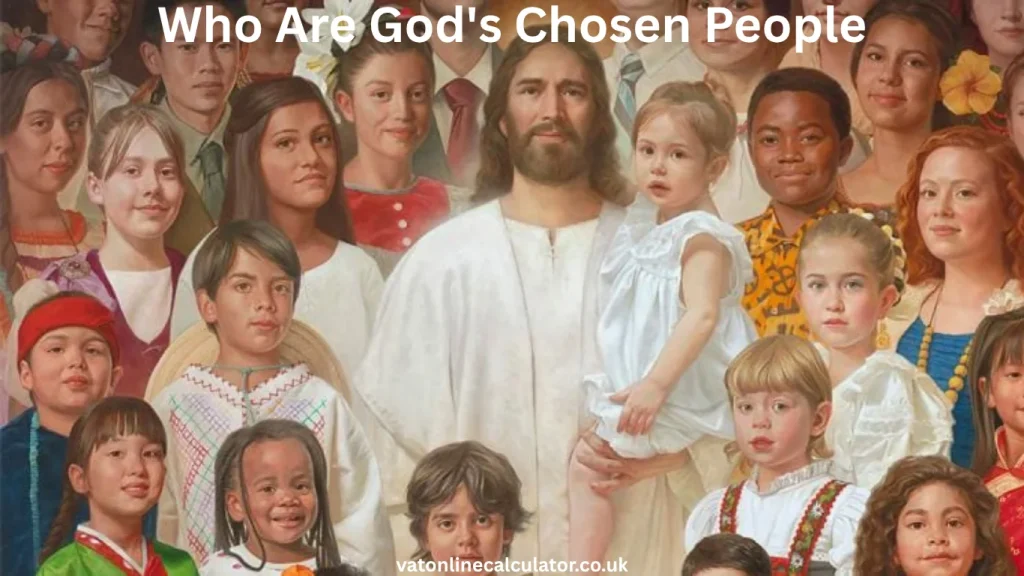
Misunderstandings About Chosen People
Many people misunderstand the idea of being chosen by God. They often think it means superiority over others or special privilege. This misunderstanding can lead to confusion and conflict among communities. In reality, most religious teachings reject this idea clearly.
They emphasize duty, responsibility, and accountability instead of power. Being chosen means being answerable for one’s actions. Another common misunderstanding is that only one group matters. However, many modern scholars support inclusive interpretations. They highlight unity, equality, and shared human values. This helps reduce division and promote peace.
Modern Interpretation
Today, people view “Who Are God’s Chosen People” in broader and more inclusive ways. Many believe it represents anyone who follows truth, goodness, and justice. This modern view promotes equality and harmony among people. It encourages respect for different beliefs and traditions.
Modern thinkers focus on shared human values rather than differences. They see all people as part of one global family. This approach reduces conflict and builds understanding. Education and technology have also influenced modern views. People can now learn about different religions and compare ideas easily.
Why This Concept Still Matters?
The idea remains important because it shapes identity and belief systems. It helps people understand their purpose and direction in life. It also guides moral decisions and ethical behavior. Religious teachings continue to influence millions of people worldwide.
They provide structure, meaning, and guidance. The concept of being chosen inspires people to live better lives. It encourages responsibility, service, and strong moral values. These lessons remain relevant in modern society.
Role in Society and Culture
The concept has influenced laws, traditions, and cultural practices throughout history. It appears in literature, art, and philosophy in many societies. Many communities use it to explain their origins and identity.
It also affects how groups interact with each other socially. Shared beliefs create strong bonds and unity. However, different interpretations can sometimes lead to disagreements. Modern societies aim to balance tradition with inclusion. They promote respect for all beliefs and cultures. This helps create peaceful and diverse communities.
Ethical Lessons from the Concept
The idea teaches several ethical principles that apply to everyday life. These lessons guide people in making better choices and decisions. They also help build strong relationships and communities. The concept encourages people to act with honesty and fairness. It promotes kindness, responsibility, and trust in a higher purpose. These values are important in both personal and social life.
Core Ethical Values
| Value | Meaning |
| Justice | Treating others fairly |
| Compassion | Showing kindness |
| Responsibility | Being accountable |
| Faith | Trusting in God |
Frequently Asked Questions
What does “chosen people” really mean?
It means a group with a special relationship with God and a clear purpose. It focuses on responsibility rather than superiority.
Are only one group considered chosen?
Different religions have different views. Some limit it to one group, while others include all believers.
Does being chosen mean being better than others?
No, most teachings clearly say it means having more responsibility. It is about duty, not privilege.
Can anyone become part of God’s chosen people?
In many beliefs, yes, anyone can become part of it. Faith, actions, and righteousness are important.
Why is this concept important today?
It helps people understand purpose, morality, and identity. It also promotes ethical living and peace.
Conclusion
The question “Who Are God’s Chosen People” does not have one simple answer. Each religion offers its own interpretation and understanding. However, all agree on one key idea, which is responsibility. The concept teaches people to live with purpose and strong values. It encourages kindness, justice, and faith in everyday life.
These values remain important in every society. In today’s world, the idea is becoming more inclusive. Many believe that anyone who follows truth and goodness can be part of it. This modern view promotes unity and peace. Understanding this concept helps people respect different beliefs. It also reminds us of our shared humanity. In the end, being chosen is less about identity and more about actions.
Also, Read Why Are Wisdom Teeth Called Wisdom Teeth?